Residential Drain Cleaning Tacoma Solutions That Fit Preventive Home Care Plans
@martinyufl176
September 23, 2026 · 14 min read
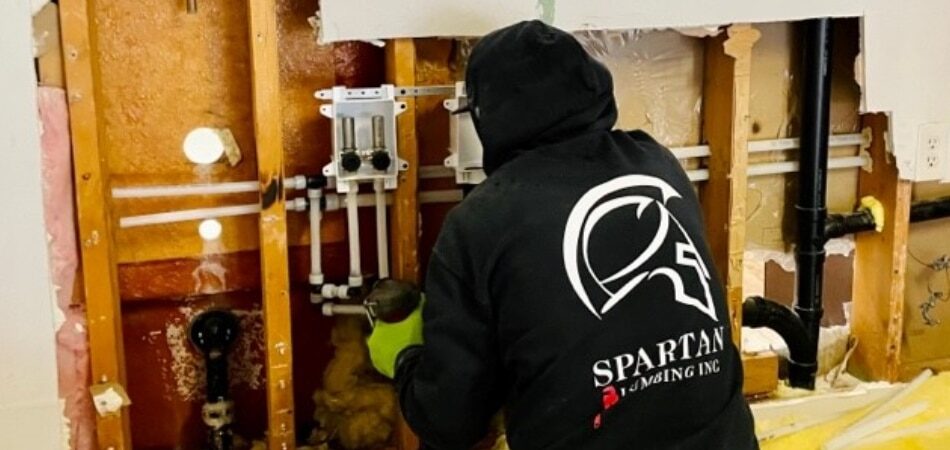
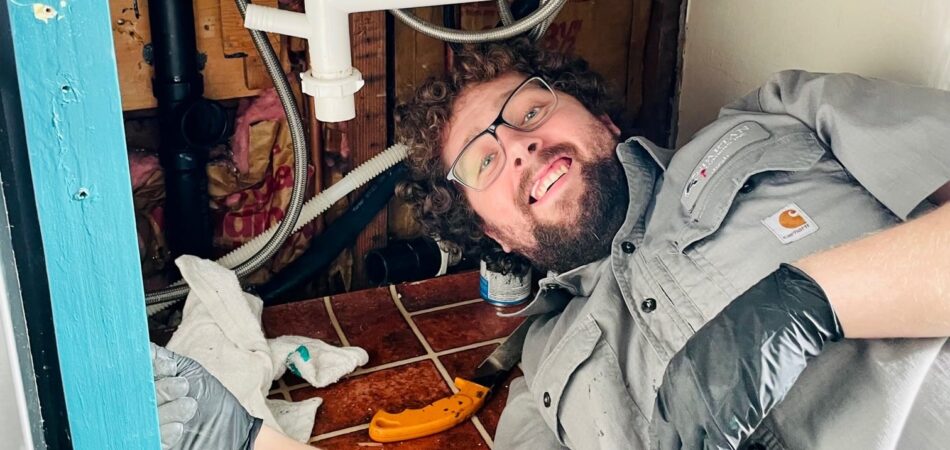
A drain problem rarely starts as a dramatic event. Most of the time, it begins with a sink that takes a little longer to empty, a tub that holds a shallow pool around your feet, or a kitchen line that gurgles after the dishwasher runs. Homeowners often live with those signs longer than they should, partly because slow drains feel manageable until they are not. Then a minor inconvenience turns into standing water, odor, stress, and a same-day service call.
That pattern is exactly why preventive home care matters. Residential drain cleaning in Tacoma works best when it is not treated as a one-time rescue. It should fit into a broader maintenance plan, the same way homeowners already think about roofing, HVAC filters, exterior paint, and water heaters. Drains do not need daily attention, but they do reward steady habits and timely professional care.
Tacoma homes present a mix of conditions that make this especially relevant. Some neighborhoods have older plumbing systems with decades of use behind them. Other properties sit beneath mature trees whose roots naturally chase moisture. Even newer homes are not immune, because many of the biggest drain issues come from daily behavior inside the house, grease down the kitchen sink, wipes in the toilet, soap residue in shower lines, and food scraps that strain a disposal beyond what it was meant to handle.
A good preventive plan is not complicated. It is simply practical. It recognizes which drains clog first, which warning signs mean a deeper line issue, and when basic upkeep should give way to professional cleaning.
Why drain care belongs in routine home maintenance
Most people think of plumbing maintenance in terms of leaks. Leaks are visible, immediate, and expensive when ignored. Drain problems can seem less urgent because the system still sort of works, until the day it does not. Yet clogged or restricted lines can be just as disruptive. Backups can damage cabinets, flooring, drywall, and belongings. They can also create sanitation concerns, especially when a main line is involved.
The hidden cost of neglect is often higher than the price of preventive service. A homeowner may spend months battling a bathroom sink with store-bought chemicals, only to learn that the real problem sits farther down the branch line where hair and soap have formed a dense obstruction. Another homeowner may keep plunging a downstairs toilet without realizing that the issue is in the sewer lateral, not the fixture. By the time the diagnosis is clear, multiple drains are affected and the cleanup bill is far more painful than a scheduled cleaning would have been.
Preventive care also helps preserve the plumbing system itself. Aggressive chemical cleaners can generate heat and wear on older pipes. Repeated backups can leave residue that makes future clogs form faster. Professional drain cleaning, done with the right method for the pipe material and blockage type, removes buildup more thoroughly and with less guesswork.
When homeowners in this area ask about Residential Drain Cleaning Tacoma services, the most useful answer is rarely “clean everything right now.” A better answer is, “Let’s identify which lines see the most stress, note the age and material of the piping, and set a schedule that reflects how the house is actually used.”
What Tacoma homes tend to deal with
Tacoma’s housing stock spans eras, and that matters. Older homes may have galvanized drain components, aging cast iron, clay sewer lines, or sections that have been repaired at different times with different materials. Each system tells its own story. A 1940s bungalow with a large yard and mature maples has different drain risks than a 1990s two-story home with a busy family kitchen and three bathrooms.
Weather plays a role too, though not always in the way homeowners expect. Heavy seasonal rain does not directly clog indoor drains, but it can reveal weaknesses in sewer systems and exposed cleanouts. Saturated soil can worsen root intrusion in compromised lines. In some cases, homeowners only discover that a sewer lateral has a belly, crack, or root breach during a wet stretch when drainage demand and soil conditions combine to expose the issue.
Then there is usage. A household with two adults who cook lightly will put very different stress on drains than a household with four children, frequent guests, pets, and a serious love of big weekend meals. That is why preventive planning has to be personal. Two homes on the same street can need very different service intervals.
The drains that usually need attention first
Kitchen drains are frequent troublemakers because they collect more than most people realize. Even homeowners who avoid pouring bacon grease down the sink still wash oils, sauces, starches, and fine food particles into the line. Over time, that residue coats the interior of the pipe. The diameter narrows a little at a time until the line starts trapping more debris than it passes.
Bathroom drains tend to clog more gradually. Hair combines with soap film and forms a sticky mass that clings to pipe walls. In homes where residents use heavy conditioners, bath products, or shaving creams, this happens faster. Powder rooms can surprise people too, not because they handle much hair, but because they may become the default toilet for guests, children, or hurried mornings when anything flushable-looking ends up in the bowl.
Laundry lines are easy to forget. Lint, detergent residue, and occasional sediment can create restrictions, especially in homes where the washer drains into older standpipes or long branch runs. If a laundry room sits lower than the rest of the house, slow drainage there can be an early clue that the main line is starting to struggle.
Floor drains, utility sinks, and rarely used guest bathrooms deserve a mention because they often get ignored until a smell develops or water backs up where nobody expected it. In my experience, the most frustrating plumbing calls are not always the worst clogs. They are the ones where the homeowner says, “We had signs for months, but they were in the one drain we never use.”
Preventive cleaning versus emergency clearing
There is a big difference between restoring flow and actually cleaning a drain. Many emergency calls focus on getting Spartan Plumbing Services Residential Drain Cleaning Tacoma water moving again as quickly as possible. That is necessary, but it is not always the same as removing the full accumulation along the pipe wall. Think of it like poking a narrow hole through packed snow. You may create a path, but you have not really cleared the surface.
Preventive drain cleaning aims for the second outcome. The line should not just pass water today. It should have enough capacity and smoothness to resist the next wave of grease, hair, paper, and daily debris. That is where method matters.
A basic snaking service can be very effective for certain localized obstructions. It is often the right first step for a toilet blockage, a compact hair clog near a trap arm, or a kitchen line with a distinct stoppage point. Hydro jetting, when appropriate for the pipe condition, goes further by scouring the inside walls and removing accumulated sludge and scale. Camera inspections add another layer of value because they show whether the problem is simple buildup, root intrusion, pipe damage, or a structural issue that cleaning alone will not solve.
Not every line needs the most aggressive method. Good service is not about throwing the biggest machine at every problem. It is about matching the tool to the pipe, the blockage, and the home’s overall condition.
How to tell a home needs more than a simple sink fix
Homeowners often ask when a slow drain crosses the line from minor nuisance to sign of a bigger system problem. The answer usually comes from pattern, not one isolated symptom.
If a single bathroom sink drains slowly and everything else works fine, the issue is often local. If the tub gurgles when the toilet flushes, or a downstairs shower backs up when the washing machine drains, you are looking at a broader drainage conflict. Multiple affected fixtures, especially on the lower level, strongly suggest a branch or main line restriction.
Odor is another clue. A faint smell near one sink may point to trap buildup. A persistent sewer odor, especially if it appears in more than one area, can indicate deeper trouble. So can recurring clogs in the same fixture after repeated clearing. If the problem keeps returning every few weeks, the original obstruction probably was not fully removed, or the pipe has a condition that encourages debris to catch.
One Tacoma homeowner I spoke with after a service call had spent nearly a year dealing with an “on-and-off” kitchen drain. Each time it slowed, they used an off-the-shelf cleaner and got temporary relief. The real issue turned out to be a heavy grease and food paste buildup in a long horizontal run. Once the line was mechanically cleared and then properly cleaned, the recurring problem stopped. The lesson was simple. Repetition is information. If the same drain keeps failing, stop treating it like a random event.
Building a preventive home care plan that actually works
The best maintenance plans are Residential Drain Cleaning Tacoma realistic. Homeowners will not follow a complicated routine that requires constant tracking. A workable plan fits the age of the house, the size of the household, and the history of the plumbing.
For many homes, the right cadence for professional drain attention falls somewhere between once a year and once every few years, but that range is broad for a reason. A home with older piping, large trees near the sewer line, and a history of backups may need annual inspection or cleaning. A newer home with light usage may go longer. The key is not adopting somebody else’s schedule by default.
A practical plan usually includes a few core habits:
- Keep grease, oils, coffee grounds, and fibrous food waste out of kitchen drains.
- Use drain screens in showers and tubs, then clean them regularly.
- Treat wipes, paper towels, hygiene products, and cotton items as trash, not flushables.
- Pay attention to changes in drain speed, gurgling, or odors, especially when more than one fixture is involved.
- Schedule professional service sooner if the house has older sewer piping or known root issues.
Those habits are simple, but they work because they reduce the volume of material that causes chronic buildup. They also help homeowners notice system changes early, before water appears where it should not.
When professional cleaning makes the most sense
Some homeowners are hesitant to call for service because they assume a plumber will only show up after a full-blown backup. That mindset leaves a lot of preventable problems in play. Professional cleaning makes sense well before an emergency if any of the following are true: the house has recurring slow drains, several fixtures show intermittent symptoms, roots have been a problem before, or the plumbing system is old enough that you cannot remember the last proper cleaning.
There is also a seasonal argument for planning ahead. If you host family during the holidays, do heavy cooking several weekends in a row, or expect houseguests over summer, it is smart to address marginal drains before the house sees peak use. Few things derail a holiday meal faster than a kitchen sink that stops draining halfway through cleanup.
Another scenario worth mentioning is the recent home purchase. Buyers often focus on the inspection report and immediate cosmetic upgrades, but drains deserve attention early in ownership, especially in older Tacoma homes. Even if nothing appears wrong on day one, a baseline camera inspection or cleaning can reveal whether you have a healthy system or an issue waiting for the right conditions to show itself.
The trade-offs between DIY methods and professional service
There is nothing wrong with basic homeowner maintenance. A plunger, a cleaned P-trap under the right sink, and a manually removed hair clog can solve many small problems. Warm water flushing after greasy cooking, when done consistently and paired with better kitchen habits, may reduce residue in lightly used lines. Homeowners should feel comfortable handling minor upkeep within reason.
The trouble starts when DIY efforts continue long after the evidence says the problem is not minor. Store-bought chemical cleaners are the biggest concern. Some do little more than shift the obstruction temporarily. Others create heat or leave harsh contents sitting in the pipe, which is not ideal for older or fragile systems. They can also make future professional service messier and more hazardous.
Even mechanical tools sold for home use have limits. Small hand augers can help, but they are not a substitute for commercial equipment, and they can damage fixtures or scratch finishes if used carelessly. More important, they rarely tell you why the clog formed in the first place.
Professional Residential Drain Cleaning Tacoma providers bring three advantages homeowners generally do not have at home: stronger equipment, diagnostic visibility, and judgment. The equipment clears more thoroughly. The camera shows the line condition. The judgment determines whether the line needs snaking, jetting, spot repair, or simply better maintenance habits.
How service quality shows up during the visit
A worthwhile drain cleaning appointment should feel diagnostic, not generic. The technician should ask which fixtures are affected, how long the symptoms have been present, whether the problem is constant or intermittent, and whether there is any history of previous backups or root intrusion. Those questions matter because they distinguish a local fixture clog from a branch line issue or a main sewer concern.
Good service also means being honest about what cleaning can and cannot fix. If a camera reveals a cracked line, heavy offset joints, or a sagging section that traps waste, cleaning may improve flow but not resolve the root problem permanently. Homeowners deserve that distinction. There is no value in pretending every backup can be solved with one pass of a machine.
Pricing conversations benefit from the same honesty. Costs vary based on access, severity, line length, equipment required, and whether a camera inspection is included. It is reasonable for providers to give ranges rather than a single blanket number before seeing the problem. What matters is clarity about what is being done and why.
The role of camera inspections in preventive planning
Camera inspections have changed the way many drain issues are handled because they reduce guessing. Instead of assuming a clog sits in one section of pipe, the technician can locate the obstruction, assess the buildup pattern, and check for structural defects. That is useful during emergencies, but it is arguably more valuable in preventive work.
For example, if a line is cleaned and the camera then shows heavy root regrowth in a known trouble spot, the homeowner can plan around that reality instead of being surprised later. If the interior of the line appears generally sound with moderate grease buildup, the next service interval can be set with more confidence. If the camera shows no major defects, households may avoid unnecessary repair work. Information helps owners spend money where it counts.
Older Tacoma homes benefit especially from this approach because many have plumbing histories that are incomplete. Previous owners may have replaced some sections and left others untouched. A camera view can uncover those mixed conditions quickly.
Preventive care pays off in ways homeowners feel every day
The obvious benefit of drain cleaning is avoiding backups. The less obvious benefit is how much smoother daily life feels when the plumbing system is working at full capacity. Sinks drain without pooling. Showers empty normally. Toilets flush consistently. The laundry room does not smell damp or sour. There is less anxiety every time a houseful of guests uses the bathrooms.
That reliability matters. Home maintenance is not just about protecting property value. It is about reducing household friction. Preventive drain care may not be glamorous, but it is one of those quiet disciplines that keeps a home functional and comfortable.
For homeowners in Tacoma, the smartest approach is not to wait for a crisis and then search for the fastest available appointment. It is to think of drains the way seasoned property owners do: as a system that performs best with periodic attention, informed observation, and service that matches the actual condition of the home. When residential drain cleaning becomes part of a preventive home care plan, the result is fewer emergencies, better plumbing performance, and less money lost to avoidable damage.
Spartan Plumbing Services
Address: 760 107th St S, Tacoma, WA 98444
Phone number: +12534998773
FAQ About Residential Drain Cleaning Tacoma
How much does it cost to have someone clean your drains?
Professional drain cleaning costs between $147 and $352 on average, with most homeowners paying around $246. The final price is heavily determined by the type of drain affected, the clearing method needed, and your geographic location.
How much does it cost to clean a drain line?
Professional drain cleaning costs between $147 and $352 on average, with most standard residential jobs landing right around $246. However, your final bill can scale from $100 to over $800 depending entirely on which drain is clogged and the method required to clear it.
Is professional drain cleaning worth it?
Yes, professional drain cleaning is worth it because it clears deep buildup and prevents expensive plumbing emergencies.